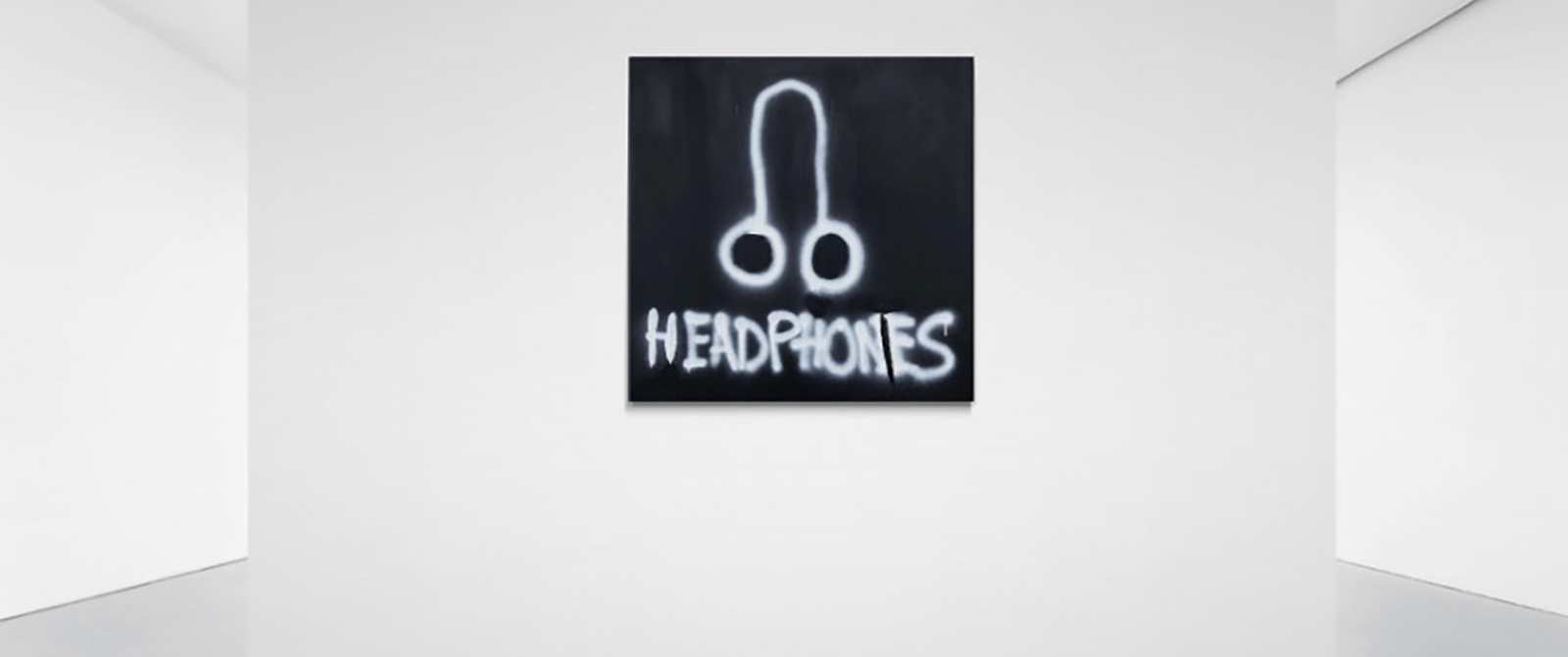
Conceptual art is a movement that challenges traditional artistic conventions, placing emphasis on the idea or concept behind the artwork rather than on technical skill or the physical object. This transgressive approach urges viewers to reflect on the meaning and context of the artwork, defying tradition al norms of aesthetics.

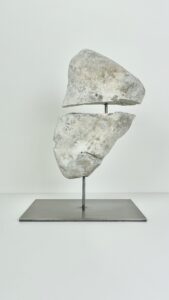
The Essence of Conceptual Art
Conceptual art distinguishes itself through its conceptual intent, pushing artists to focus on the narrative of the artwork rather than its physical form. This movement emerged in the 1960s and 1970s when artists sought to transcend the importance of the finished product, introducing the concept as the central element.
Key Characteristics of Conceptual Art:
- Primary Idea: The concept or idea takes center stage in the artwork.
- Media Freedom: Artists are free to use any means or support to express their concept.
- Interactivity: Often involves the viewer in reflection and active participation.
- Institutional Critique: Many works are oriented towards critiquing the traditional art system and institutions.
Examples of Conceptual Artworks
- “Fountain” by Marcel Duchamp: This ready-made, consisting of an inverted urinal, challenges the concept of originality and underscores the importance of context.
- “One and Three Chairs” by Joseph Kosuth: Comprising an actual chair, a photograph of it, and the definition of “chair” in a language, it illustrates the concept of reality and representation.
- Works by Antonino Siragusa: Contemporary artist Antonino Siragusa presents a unique approach to conceptual art through sculptures and ready-mades. To explore his innovative vision, visit his site here.